Gangaikondan Kailasanathar Temple
The Chola dynasty had many great kings. Among them, Rajaraja Chola I was perhaps the greatest. And his son Rajendra Chola I was greater than the greatest. He rose up to his father’s name and went even beyond his legacy. Like his father, he, too, never tasted any defeat. He was successful in all his expeditions. His march towards the Ganges was well-known among so many invasions of Rajendra.
Rajendra brought the water of the sacred river to his Chola empire. He began constructing a new city named Gangaikonda Cholapuram and a new magnificent temple for Shiva known as Gangaikonda Choleeswaram. From then on, he assumed the title of Gangaikondan (the one who won the Ganges).
Almost everyone who reads this article might know about the famous Gangaikonda Cholapuram. But not many would know about another temple sharing the same name as Gangaikonda Choleeswarar. It was built by Isaana Pandita, the Royal Guru of Rajendra, at Koozhampandal near Kanchipuram.
And hardly anyone realizes that there is one more town connected to the title of Rajendra. It is Gangaikondan, located near Tirunelveli in Southern Tamil Nadu. The town on the banks of the beautiful river, named Chittaru, has a magnificent Chola-era temple for Shiva known as Kailasanathar Temple. This article provides detailed coverage of this historic temple’s architecture, iconography, inscriptions, history, and other aspects.
Gangaikondan is situated at a distance of 20 km north of Tirunelveli on the way to Madurai. A magnificent temple of Lord Shiva (called Kailasanathar) is located at the center of the town. The ancient temple, built during the Chola period, is architecturally beautiful and can be considered a paradise for heritage lovers.
Legend
As per the legend, the sage Agastya consecrated three Shiva temples in the southern part of the Pandyan country.
The first temple was Nellaiyappar temple in the “venu” (bamboo) forest in Tirunelveli. It was worshipped by Surya and is considered the right eye of Shiva.
The second temple was Kuttraleeswarar temple in the “champaka” forest in Courtallam. It was worshipped by Chandra and is considered the left eye of Shiva.
The third temple was Kailasanathar temple in the “tintrini” or “kalpaka” (tamarind) forest in Gangaikondan. It was worshipped by Agni and is considered the third eye of Shiva.
After consecrating these three shrines, Agastya proceeded to Malayachalam and lived with his consort Lopamudra on the banks of the river Tamraparni (also called Tanporundam and Tan Porunai).
Another legend states that a cow regularly released its milk on a particular anthill. The cowherd, on observing this, reported to the King. The King discovered a Shiva Linga after clearing the anthill. He decided to build a shrine for Shiva Linga on that site. He heard a divine voice (called asareeri) from a tamarind tree advising him to spare the same. Hence, he started building the shrine on a nearby site leaving the original place undisturbed. The tree is considered the temple’s sthala vruksha (holy tree).
History
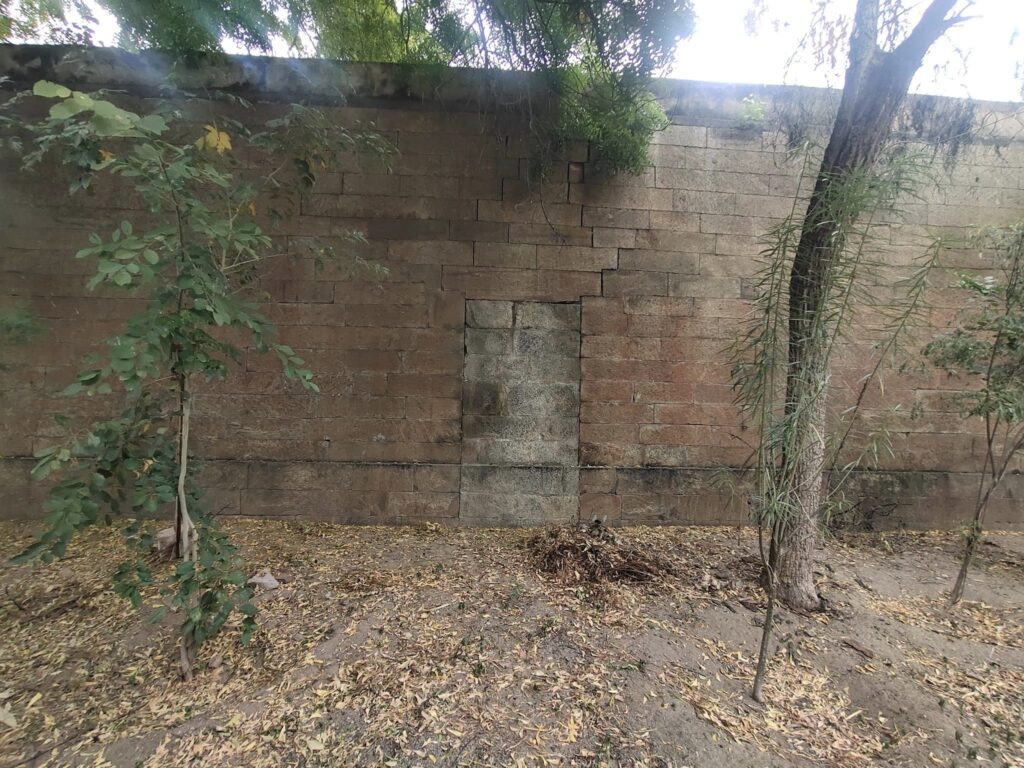
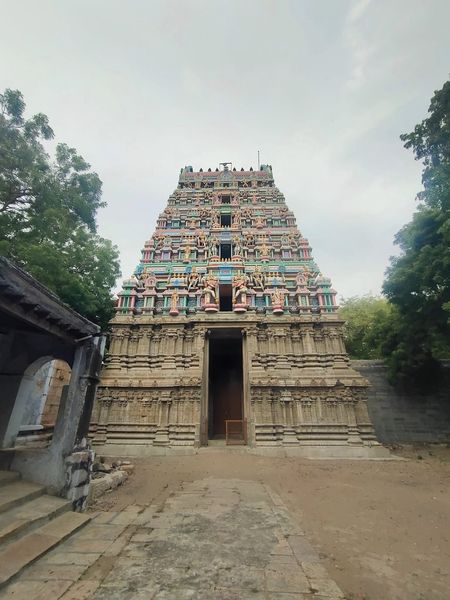
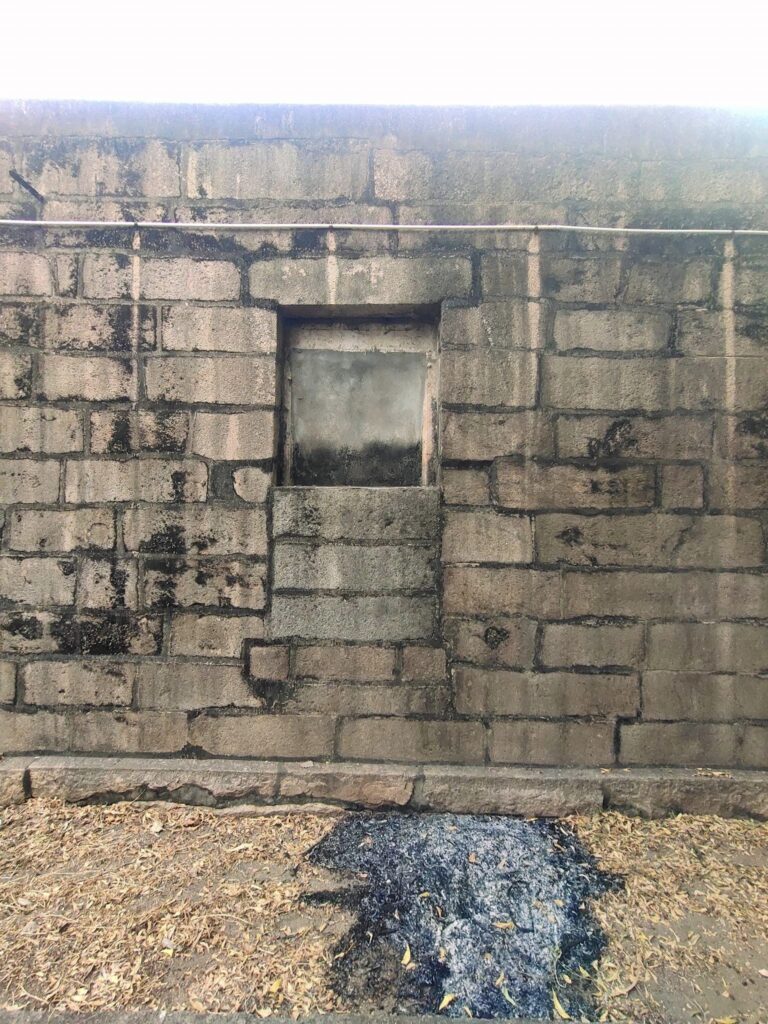
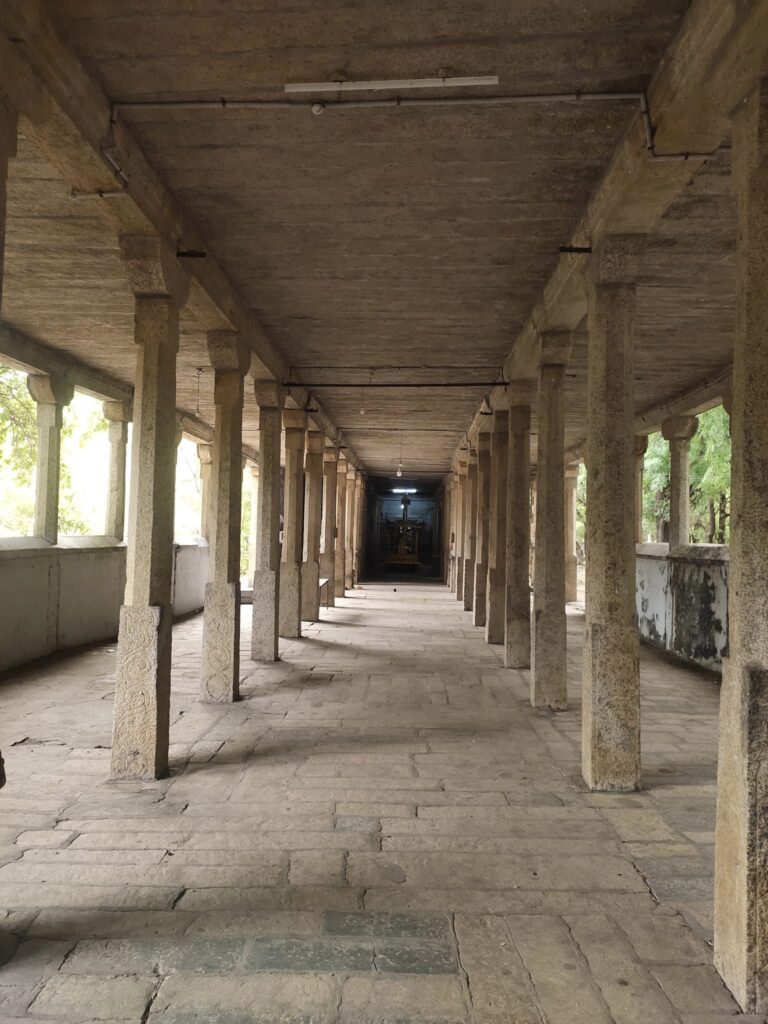
Among 12 inscriptions found in this vast temple, 7 are from Pandyas, 3 are from Cholas, one is from CholaPandyas, and one is unknown. The oldest inscription is from Varaguna Varman Pandya I alias Komaranchandaiyan Pandya in 772 CE. The latest inscription is from Sundara Pandya in the 1530s.
One detailed inscription from Rajaraja Chola I and another from Rajendra Chola continue to call this site Sri Vallabha Chaturvedi Mangalam. After Rajendra’s conquest of the Gangetic delta region, the village was renamed. It can be assumed from the 11th-century inscriptions of Sundara Chola and Kulottunga Chola I. They address the site as Gangaikonda Chola Chaturvedimangalam.
The original temple was built by the Pandyas. It is evident from the Pandya inscriptions dated 8th and 9th-century CEs. The original name of the village was Vallabha Chaturvedi Mangalam. Here, the word Vallabha refers to some Pandya king.
Based on its structural characteristics, the present temple appears to be the result of extensive renovations and modifications done during the periods of Rajaraja, Rajendra, and Chola Pandya viceroys. The later Pandya kings, possibly Nayaka kings and wealthy people in the 18th and 19th centuries, also considerably contributed to the temple’s structure and iconography.
An additional tidbit about the village not related to the temple….Gangaikondan is the birthplace of Kodaganallur Sundara Swamigal, a 19th-century saint.